















How to distinguish a true Christian from a hypocrite
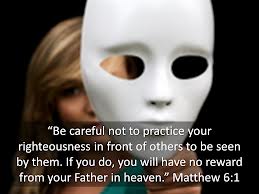
Here are some ways in which the hypocrite may be like the Christian.
1. A hypocrite may be influenced by the gospel in every part of himself. He may come to great knowledge of God’s truth (Heb 6:4). His emotions about Christ may be high (Matt 13:20). He may even experience drastic changes in the outward man, like the Pharisee who prayed, “God, I thank You that I am not as other men are, extortioners, unjust, adulterers, etc.” (Lk 18:11–12).
2. A hypocrite may look to others like he’s a true believer. He might talk of the law and the gospel (Ps 50:16), openly confess his sin to his own shame (1 Sam 26:21), and humble himself in sackcloth (1 Kgs 21:27). He may even carefully consider what duties he needs to perform and seek after them (Is 58:2), persevere even in hard times, give his possessions away to God and the saints, or even give his body away to be burned (1 Cor 13:3).
3. A hypocrite may advance far in God’s ordinary graces. He may come under great convictions of sin, just as Judas did (Matt 27:3–5). He may tremble at the word of God, just as Felix did (Acts 24:25), rejoice in receiving the truth (Matt 13:20), and have many experiences of tasting the good graces of God (Heb 6:4).
4. A hypocrite may have some characteristics very similar to the saving graces of the Holy Spirit. He may have a kind of faith, like Simon Magus who “believed also” (Acts 8:13) but then proved to be a false believer. He may have a kind of legal and outward repentance that looks very much like true repentance (Mal 3:14). He may have a great and powerful fear of God, like Balaam did (Num 22:18). He may experience a kind of hope (Job 8:13). The hypocrite may even have some love, as Herod had of John (Mk 6:26).
5. A hypocrite can even have great and powerful experiences of God. He may have “tasted of the heavenly gift” and become “partakers of the Holy Spirit” and experienced the “powers of the age to come” and yet not be genuinely converted.